A year of grief, a lifetime of loyalty to Sayyed Hassan Nasrallah
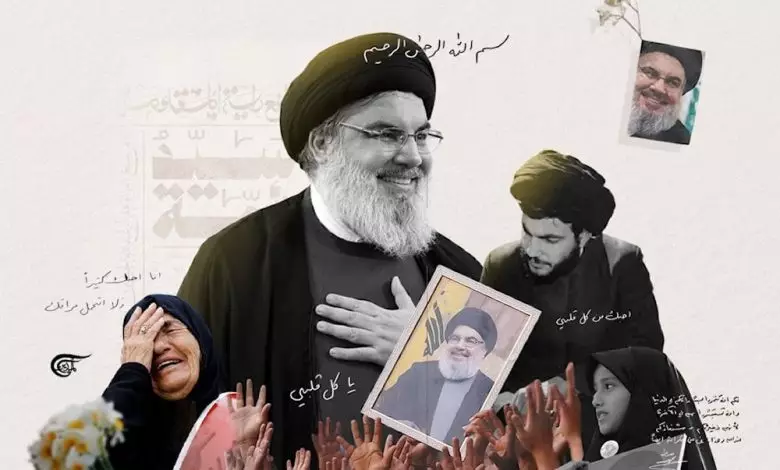
They thought they buried a man, but they laid to rest a mountain. One year on, Sayyed Hassan still dwells in our hearts.
The day the world rumbled and then went eerily silent, silence only broken by the sounds of tears, cries, and sighs echoing through souls that went instantly hollow…
The day 84 tonnes of bunker-buster bombs rocked a tiny neighborhood in Dahieh with the aim of killing one man, and one man only…
The day entire blocks of residential buildings were flattened, sending plumes of smoke billowing into the afternoon sky, seen from miles and miles away…
The day the Israeli enemy poured out its anger, frustration, desperation, and years of being leashed on the very man who had reined it in for so long…
The day the Lebanese witnessed the assassination of their Sayyed Hassan, leaving them wrecked and reeling from his loss…
The day Lebanon saw the killing of its protector and liberator, leaving the country vulnerable to the winds of malice and a sleeping grudge…
The day I experienced the loss of my icon, my symbol, my role model, my beloved Sayyed, leaving me shattered and changed as a person until this very day…
That day has come back again, one year later…
Except that after 365 days, the pain of Sayyed Hassan’s loss is only growing larger…
Read next: Martyr Sayyed Nasrallah, Lebanon’s liberator, breaker of hegemony
At 6:18, Dahieh’s skies split: Sayyed Hassan Nasrallah was struck
On the evening of September 27, at 6:18 pm, the skies over Dahieh split open with thunder: Israeli warplanes, like lurking vultures, approached as the sun’s light was fading away and unleashed their deadly cargo tearing through the earth into an underground facility; precision-guided weapons, silent until their final roar as they made impact, had carved paths of fire through the clouds and struck the country at the heart. The place that once brimmed with purpose, determination, and sounds of prayer and supplications fell silent.
The target? None other than the leader of the Resistance. Sayyed Hassan Nasrallah, a towering symbol of steadfastness, resistance, honor, and defiance, was assassinated in an insolent act of cowardice that sent shockwaves across the world.
Sayyed Hassan, who stood for decades as the voice of the oppressed, the pulse of resistance, and the unwavering guardian of Lebanon’s dignity, was now gone, leaving the nation under the weight of grief as heavy as the mountains holding the earth as pegs.
A father to the forgotten, a leader to all
From the narrow alleys of Dahieh to the quiet villages in South Lebanon, people sat glued to screens, holding phones with trembling hands, waiting for a denial that unfortunately never came.
Some wept before they knew what had happened. Others held their breath, waiting for a voice they had long cherished. Had he survived? Was this just another chapter in a long story of evasion and endurance? Or had the enemy succeeded not only in hitting a facility but in shaking the soul of Lebanon’s resistance?
When the news finally broke, it did not come with sirens or speeches; it came accompanied by melancholy, a kind of solemness that choked the breath and froze the blood in the veins. Sayyed Hassan Nasrallah, the leader, the father, the icon, was indeed gone.
Mothers wept as though mourning their own sons, young men who once listened to his speeches before heading to the front sat together stunned, quiet, their eyes filling with tears; their hands shaking in dismay… their guardian had fallen.
The night that followed felt infinite, with ache and grief hitting hard.
The very man who was the calm in the storm, the defiance in the face of ruin, his voice had left this realm through the rubble and had now departed. But from amid the sorrow rose a raw, aching pride. His people had not buried a man; they had laid to rest a mountain. He had yearned for martyrdom so greatly that his death felt not like the end, but the fulfillment of a lifelong yearning.
Belief, trust, legacy: The enduring bond with Sayyed Hassan Nasrallah
Al Mayadeen English visited Sayyed Hassan Nasrallah’s shrine to speak with visitors marking the first anniversary of his martyrdom.
The following testimonies capture the raw, immediate reactions of people from different ages, places, and circumstances upon learning of Sayyed Hassan Nasrallah’s martyrdom. Some received the news while bedridden in hospitals or displaced from their homes; others heard it amid crowds, in quiet rooms, or through screens, but they all describe the same shock, disbelief, and deep sorrow. Together, these answers trace a shared emotional arc: an initial numbness or denial, the acute pain of loss, and beneath it a steady current of reverence for his decades of leadership and the resolve his life instilled in his supporters. What emerges is not only grief, but also a sense that his legacy continues to shape people’s courage, patience, and commitment.
Beyond death: The enduring bond between Sayyed Nasrallah, the people
There was a consensus among all those interviewed that they did not believe the news of Sayyed Nasrallah’s martyrdom.
It was a disbelief not rooted in denial of mortality, but in the very essence of who he was. For decades, he embodied steadfastness, wisdom, and resilience to such an extent that his presence felt inseparable from the fabric of their lives. His voice, guidance, and unwavering stance against oppression had become a constant: a moral compass and a source of strength that seemed beyond the reach of time or the enemy’s treachery. To them, imagining a world without him was almost inconceivable, not because they thought he could not die, but because his spirit, leadership, and sacrifice had transcended the ordinary limits of human life, leaving an impression of permanence that death could not erase.