West-Backed Military Campaigns Against Iran From 1980 to 2025 Conclude in Defeat
Today commemorates the 45th anniversary of the onset of the Imposed War, an eight-year conflict initiated by Saddam Hussein's Ba'athist government against the Islamic Republic of Iran, which evolved into one of the longest conventional wars of the 20th century.
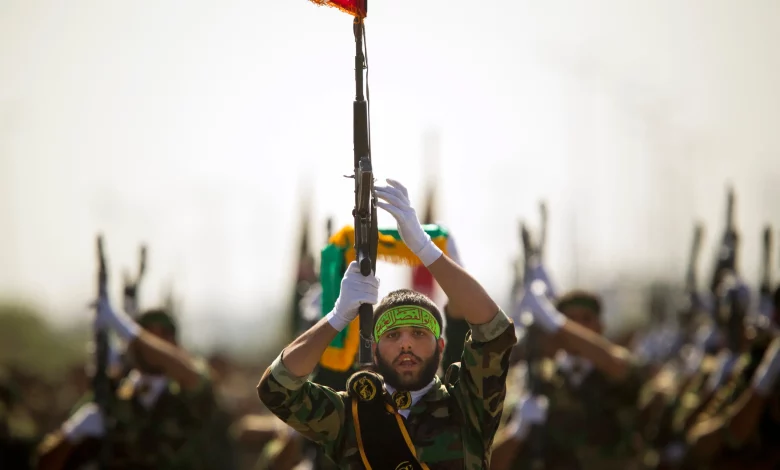
The September 21, 1980 invasion marked a severe trial for the newly established Islamic Republic, which was in the process of solidifying its revolutionary achievements amid considerable internal obstacles.
Despite facing unexpected and coordinated assaults from land, air, and sea along its western and southern frontiers, Iran demonstrated a valiant and steadfast defense, ultimately repelling the offensive and safeguarding the nation’s territorial integrity and sovereignty.
The aggression cannot be viewed in isolation from its international context, as foreign powers, especially the United States, played a pivotal role in encouraging and supporting it. The U.S. offered essential political support, intelligence, and weaponry to Baghdad throughout the prolonged conflict.
European nations similarly played a crucial role in exacerbating the conflict by supplying large quantities of arms, including chemical weapons used against Iranian forces and civilians, contravening international regulations.
Recent comparisons between past acts of aggression and the more recent 12-day conflict initiated by the Israeli regime in June highlight persistent patterns of foreign hostility and interventionism directed at Iran. This pattern has consistently been met with national unity and steadfast resistance.
The initial acts of aggression and Iran’s subsequent reaction have marked a notable escalation in tensions. Iran has signaled its readiness to respond to any provocations, underscoring the volatile nature of the current situation as both sides navigate through complex geopolitical challenges.
The conflict erupted on September 21, 1980, when Iraqi MiG jets unleashed a barrage of coordinated airstrikes against several Iranian airports, such as Mehrabad in Tehran, Ahvaz, Tabriz, Hamadan, and Bushehr. These strikes aimed at both military targets and civilian infrastructure, marking a significant intensification of the hostilities.
The assaults were matched by a comprehensive ground invasion along Iran’s western and southern frontiers, as Iraqi troops progressed into the oil-laden region of Khuzestan, mistakenly believing that the area’s Arabic-speaking residents would greet them as liberators instead of protecting their land.
This strategic misjudgment underscored the erroneous beliefs held by Saddam Hussein’s regime, which assumed that the political instability ensuing from Iran’s Islamic Revolution presented an opportunity for swift territorial expansion and geopolitical leverage.
Prior to the invasion, Saddam dramatically ripped up the Algiers Agreement on live television, asserting full Iraqi sovereignty over the Arvand River and certain Iranian islands in the Persian Gulf. This act was an attempt to create a pretext for aggression that was devoid of any legal or historical legitimacy.
Iran’s military, undergoing restructuring after the Islamic Revolution and grappling with numerous domestic challenges, displayed notable poise and tenacity in countering these unsolicited assaults. The forces swiftly organized to safeguard national sovereignty, successfully maneuvering against both the unexpected nature and initial technological superiority of the aggressors.
Early military reports indicate a swift response involving the downing of eleven Iraqi aircraft and the sinking of four missile frigates, highlighting the operational prowess and resolve of Iranian forces even in unexpectedly challenging circumstances.
The nation’s reaction to the invasion showcased remarkable unity and determination, as political leaders from all sides and everyday citizens came together to protect the country from external aggression, putting aside differences to confront a shared challenge.
In a statement issued shortly after the onset of the attacks, Imam Khomeini strongly denounced the aggression, clearly differentiating between the Iraqi regime and its citizens. He stressed that Iran’s retaliatory actions would focus on those responsible for orchestrating the invasion, asserting that the Iraqi people were victims of Saddam’s oppressive rule.
Senior Iranian officials at the time called for calm and discipline, emphasizing the unified response from military and political bodies. This demonstrated cohesive national leadership that effectively navigated the crisis amid challenging circumstances.
In a remarkable display of national solidarity, Iranians from diverse backgrounds spontaneously pledged their support for the defense effort. Many citizens risked their safety to assist at bombed locations, while others formally volunteered for military service, demonstrating a deep-rooted collective commitment to national defense that would characterize the war years.
The valiant resistance in border cities like Khorramshahr, where lightly armed defenders repelled numerically superior Iraqi forces for weeks, has become a symbol of Iran’s steadfast response to aggression. This episode illustrated that technological superiority alone was insufficient to undermine national resolve and strategic creativity.
The era of the Imposed War effectively highlighted true patriots who overlooked their differences to come together in national defense, as opposed to those who deserted the nation, including monarchists who found sanctuary overseas and members of the Mujahedin-e-Khalq Organization, a known terror group that sided with the invading forces.
Western backing for Ba’athist Iraq’s aggressive policies
The Imposed War’s complexities cannot be grasped fully without considering the substantial international backing received by the Saddam regime. Notably, Western nations viewed Iraqi aggression as a strategic opportunity to undermine the Islamic Republic and curb its expanding influence.
The United States was notably instrumental in enabling Iraqi aggression, effectively giving tacit approval for the invasion after diplomatic negotiations in Bonn collapsed only days before the attacks began. During these talks, Iranian efforts to address unresolved matters, such as frozen assets, were dismissed by American representatives.
The timing of this development was likely not accidental, occurring mere months following the collapse of the Nojeh coup plot—an endeavor jointly orchestrated by the United States and Iraq aimed at toppling the Iranian government. This sequence of events underscored that both regimes had been considering military measures against Iran prior to the invasion in September.
Following the onset of the conflict, the United States played a pivotal role by offering significant material aid to Iraq. This support entailed intelligence sharing, economic assistance that reached billions of dollars, and direct military training. Concurrently, the US was involved in covert operations aimed at undermining Iranian infrastructure and took part in assaults on Iranian shipping lanes and oil installations.
American diplomatic endeavors bolstered Iraq’s military capabilities by systematically diverting attention from Baghdad’s deployment of chemical weapons. This was achieved through misleading equivalencies that suggested both parties were using these banned weapons, whereas, in truth, Iraq was the sole possessor and user of these devastating weapons against military and civilian targets.
European nations equally hold substantial responsibility for facilitating and extending the aggression by supplying large-scale arms exports to Iraq. These exports significantly bolstered Saddam’s military capabilities, equipping it with cutting-edge weaponry sourced from the global market.
France became a major supplier of military hardware to Iraq, delivering aircraft, missile systems, and armored vehicles that bolstered Baghdad’s offensive operations. Meanwhile, Germany provided dual-use technology and chemical precursors, aiding in the advancement of Iraq’s chemical weapons program, despite international restrictions.
The United Kingdom also approved significant arms sales to Baghdad, accompanied by technical support and training that enhanced the capabilities of Iraqi forces. Meanwhile, Italy contributed by supplying naval vessels and additional military equipment, bolstering Iraq’s strategic stance.
A vast international arms network enabled Iraq to maintain its war campaign despite facing considerable losses and economic difficulties. By relying on foreign suppliers, the country outsourced its military logistics, allowing these suppliers to gain substantial profits from the ongoing conflict while ostensibly advocating for peace and neutrality.
The organized approach of this backing indicates a calculated Western strategy aimed at using Iraq as a proxy to undermine Iran, highlighting geopolitical motives that placed containing the Islamic Revolution above regional stability or humanitarian concerns.
Similarities to the June 2025 Mandated Conflict
The recent 12-day conflict initiated by the Israeli regime in cooperation with the United States bears notable similarities to the patterns of aggression and resistance observed during the 1980s Imposed War. Like its predecessor, this conflict involved surprise attacks and foreign support, yet ultimately did not succeed in meeting its strategic goals due to Iran’s steadfast resilience.
Much like Saddam Hussein’s incursion in 1980, the Israeli offensive commenced with pinpoint assassinations of high-ranking military leaders and scientists, coupled with assaults on civilian areas. This strategy mirrors the belief that Iran could be destabilized through targeted strikes aimed at leadership and impactful shock tactics.
The United States has once more taken an active role by directly engaging in bombing campaigns targeting Iranian nuclear facilities, despite lacking legitimate justification for such actions.
In the meantime, European powers have been criticized for providing tacit support for the aggression, with their restrained reactions and statements falling short of a clear condemnation of the breach of Iranian sovereignty. This mirrors their earlier accommodating position during the Imposed War, despite the years that have passed and the claimed progress in international law and mechanisms for preventing warfare.
Iran’s reaction to the 2025 conflict showcased a level of national solidarity and military prowess reminiscent of its defense strategies in the 1980s. The Iranian armed forces efficiently addressed assaults from various directions and executed calculated yet impactful counterattacks on targets within occupied areas and U.S. bases in the region.
The leadership consistently upheld a strategic focus during the crisis, as Leader of the Islamic Revolution Ayatollah Seyed Ali Khamenei underscored the nation’s determination and capacity, while accurately discerning the motivations behind the hostility toward Iran’s independent course.
Notably, both assaults ended without the aggressors securing their main goals—whether it was Iraq’s ambition for territorial expansion or the Israeli regime’s effort to dismantle Iran’s nuclear program and defensive structures. This highlights the ongoing ineffectiveness of military coercion against a nation resolute in defending its sovereignty and principles.
The recurring themes across these episodes, spanning 45 years, indicate persistent structural elements within Iran’s foreign relations. There is a pattern of foreign powers chronically misjudging Iran’s national unity and resilience, while overvaluing the impact of military intervention on a populace consistently prepared to make sacrifices for the defense of their nation and revolutionary ideals.
Iran’s strategic considerations and defense readiness have been significantly influenced by these concurrent experiences, underscoring the critical need for military self-reliance. This has led to an emphasis on developing deterrent capabilities aimed at discouraging potential future aggression, while also ensuring the capacity for an effective response should such aggression occur.