Critical Medicine Shortages in Gaza: Patients Confront Life-Threatening Consequences
Leila finds herself in an unexpected struggle to obtain insulin for her daughter, an 8-year-old girl who has been without her essential medication for weeks due to a severe shortage in Gaza's pharmacies.
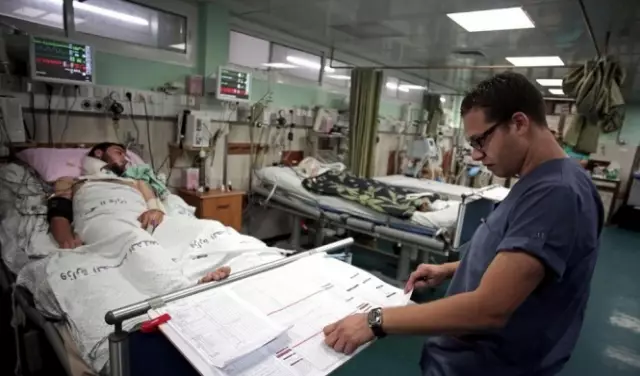
Leila never anticipated that obtaining an insulin dose for her daughter would transform into a daily struggle. Her 8-year-old has been without her routine treatment for several weeks, owing to a severe shortage of the medication in Gaza’s pharmacies.
Concealing her worry, the mother expressed her concerns, stating, “I am anxious that her blood sugar levels might plummet unexpectedly en route to the hospital. During our previous emergency visit, she was unconscious, and at that critical moment, there was an insufficient supply of insulin for immediate treatment.”
This distress is not an isolated incident; it echoes among thousands of patients in the region, including diabetic children, individuals with epilepsy, hypertension, heart conditions, and the injured who futilely seek relief through painkillers.
Gaza is currently facing an unprecedented medical crisis, with the shortage of essential medicines reaching alarming levels as the conflict enters its second year. Medical professionals report that approximately 80% of crucial medications are no longer available, exacerbating the dire situation for healthcare in the region.
Pharmacist Dhulfiqar Sweirjo reported that the medical warehouses in Gaza have been entirely depleted, attributing the shortage to Israel’s intentional restriction on the entry of pharmaceuticals and medical supplies.
A warning has been issued regarding the severe depletion of medical supplies in Gaza, with reports indicating that essential medicines have been exhausted. The situation is dire for patients suffering from conditions such as hypertension, diabetes, and immune or thyroid disorders, as they are left with no treatment options and face a bleak outlook of severe health deterioration or fatality. The scarcity of medicines is so acute that even basic medications like Acamol are nearly depleted.
Gaza’s Ministry of Health has repeatedly sounded the alarm over a drastic shortage of medicines and medical supplies, now reaching critical levels and endangering thousands of lives. The stockpile of essential medicines has been entirely depleted, and there are acute shortages of surgical supplies, treatment units, blood bank reserves, and basic laboratory materials.
The World Health Organization has highlighted the severe crisis facing Gaza’s health sector, citing repeated attacks on infrastructure, frequent power outages, and a shortage of fuel which have severely hampered the operation of ventilators and surgical facilities. This has exacerbated the challenges in managing injuries, childbirth, and chronic illnesses. The situation is further deteriorated by a critical shortage of medicines, diminishing the chances of saving numerous patients with each passing day.
Doctors Without Borders has raised an alarm, stating that supplies of “critical medicines are about to run out,” compelling its staff to ration vital painkillers, anesthetics, and anti-inflammatory drugs for children. The shortage has left some clinics unable to treat patients effectively, forcing them to use less effective alternatives in the absence of essential drugs. Additionally, the organization has highlighted an increase in wound infections and an immediate need for antibiotics, which are currently unavailable.
Mohammed Al-Shafie, a 35-year-old resident of the Al-Nuseirat refugee camp, reported that his father’s heart condition significantly worsened following a shortage of medication that began several weeks ago. Despite multiple admissions to a field hospital, there has been no noticeable improvement in his health.
Fighting back tears, he recounted the dire situation, stating, “My father depended on daily blood pressure and anticoagulant medications. Now, not a single pill is available. Physicians caution that halting treatment might lead to a fatal stroke at any time.”
In crowded displacement camps, patients are urgently seeking medications, resorting to makeshift medicine stalls in their pursuit.
Pharmacist Omar Badr, who owns a pharmacy that suffered severe damage due to bombings in Khan Yunis, revealed that “all our branches were obliterated in the attacks. The medicines available at this stall are those we have been able to rescue from the debris or have stored in small home facilities.”
He noted that since October 2023, the private sector has not received any shipments of medicines. As a result, more than 80% of essential pharmaceuticals are unavailable, with a particularly acute shortage in children’s supplies, milk, and vaccines.
Badr acknowledged that the current conditions are unfavorable for storing numerous medications, citing issues such as dust, elevated temperatures, and humidity that reduce their efficacy. Additionally, the absence of thorough inspections has contributed to the distribution of expired or compromised pharmaceuticals.
A recent UNICEF report has highlighted alarming findings that the residents of Gaza are turning to “dangerous alternatives” amid a scarcity of essential supplies. These include adults consuming nutritional supplements meant for children, substituting antibiotics with contaminated honey, and using herbal remedies in place of prescribed blood pressure medications. Such practices have significantly contributed to a 40% rise in mortality rates within the region.
Dr. Zakaria Abu Qamar, the Deputy Director-General of Pharmacy at Gaza’s Ministry of Health, reported a severe impact on healthcare infrastructure due to ongoing conflict, with 87% of pharmacies devastated. He highlighted a critical shortage of essential medicines, with 37% (229 types) now unavailable, and a significant depletion of medical supplies, with 59% (597 types) out of stock.
Medicines for cancer and blood disorders are currently experiencing a severe shortage, with a depletion rate of 92%. This is closely followed by critical scarcities in drugs for maternal and child health, which stand at 51%, vaccines at 42%, medications for kidney and dialysis treatments at 25%, and psychiatric drugs at 24%.
Dr. Munir Al-Bursh, the Director-General of Gaza’s Ministry of Health, has reported that widespread shortages are impacting critical elements of the healthcare system. Surgeries and emergency medical services are currently experiencing a scarcity of vital resources such as anesthetics, sterilization solutions, and surgical threads. These shortages compel medical professionals to postpone essential, albeit non-life-threatening, procedures and resort to less secure alternatives, while also having to ration doses during emergency situations.
He noted that individuals with chronic conditions, such as diabetes, face difficulties in obtaining regular insulin supplies. Meanwhile, patients with cardiac and hypertension issues are experiencing a shortage of blood pressure medications and anticoagulants crucial for stroke prevention. Additionally, epilepsy patients are vulnerable to recurring seizures due to the unavailability of anti-seizure medications.
Health official Al-Bursh has raised an alarm, indicating that cancer medication, chemotherapy treatments, and dialysis supplies are either in short supply or entirely unavailable. This dire lack of resources is transforming cases that were once manageable into life-threatening or fatal situations.
He highlighted the breakdown of laboratory services, noting significant shortages in testing strips, analysis reagents, and blood preservation materials. This situation has severely restricted hospitals’ capacity to diagnose patients accurately, ensure safe blood transfusions, and has led to an increase in fatalities among the injured.
The official emphasized that the prolonged nature of this crisis is anticipated to significantly increase indirect fatalities among individuals not directly impacted by bombings. Chronic patients, children, pregnant women, and the elderly are expected to face a substantial rise in deaths due to the unavailability of fundamental yet essential medical treatments.
He issued a warning about the possibility of outbreaks involving resistant infections and localized epidemics due to contaminated wounds and inadequate sterilization practices, noting that cases of antibiotic resistance have already been documented.
Israel has implemented a complete closure of all crossings with Gaza since March 2, 2025, effectively halting the flow of most food supplies and medical aid into the region. This blockade has exacerbated famine conditions and resulted in a significant loss of life, with thousands of fatalities reported.
Under the mandates of international humanitarian law, Israel, in its role as an occupying power, holds a direct legal obligation to ensure the supply of medical resources and safeguard hospitals in Gaza. The stipulations outlined in the Fourth Geneva Convention, specifically Articles 23, 55, and 56, mandate the unobstructed passage of medical supplies, the provision of medical care, and the unimpeded operation of healthcare facilities.
The 1977 Additional Protocol I, particularly Articles 12 and 70, explicitly forbids the targeting of medical units and the denial of medical assistance to civilians. Similarly, the International Covenant on Economic, Social and Cultural Rights, as outlined in Article 12, upholds every individual’s right to the highest attainable standard of health.
Obstructing the supply of medicines or targeting the healthcare infrastructure constitutes not only a breach of international obligations but also a potential war crime.