Arbaeen’s Message: Sunni Community Calls for Muslim Unity and Solidarity with Gaza
The Arbaeen of Imam Hussein (AS), recognized as the world's largest religious and popular assembly, has evolved beyond traditional rituals. It now serves as a significant platform for demonstrating soft power, fostering collective identity, and highlighting the unity of the Muslim Ummah.
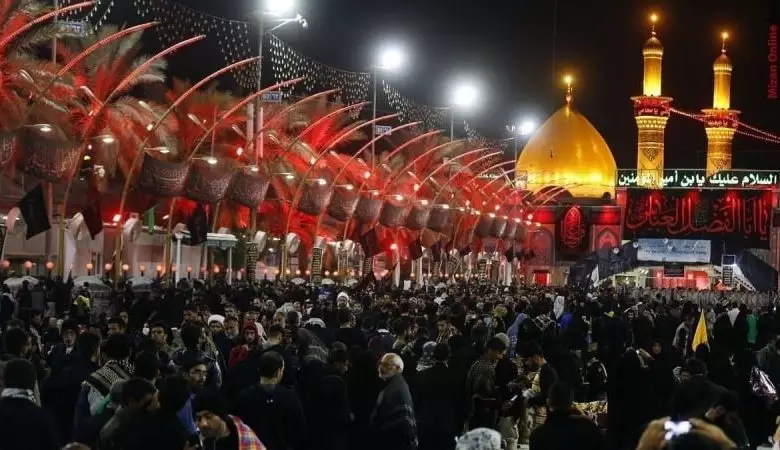
Arbaeen has transformed into a significant gathering where Shia and Sunni communities come together, delivering a universal message of resistance against oppression and solidarity with the oppressed—notably the people of Gaza—while promoting the unity of the Islamic Ummah. From Sunni-operated mawkibs in Kordestan and Sistan and Baluchestan, Iran, to the participation of scholars from Nigeria and Pakistan in Karbala, Arbaeen emerges as a powerful demonstration of unified resolve in the face of adversaries and the lasting impact of the Ashura movement.
In its latest report, Pars Today underscores the unified commemoration of Arbaeen by both Shia and Sunni communities, emphasizing this as a significant demonstration of Islamic solidarity.
**Arbaeen: An Exhibit of Soft Power and Collective Identity**
The Arbaeen pilgrimage, drawing millions of participants, extends beyond its religious roots to hold substantial geopolitical and cultural significance. This gathering enhances the soft power influence of Shia Muslims, challenges negative narratives propagated by opponents, and solidifies a global identity centered on resistance and opposition to oppression among Muslims.
In a significant display of Islamic solidarity, Sunni scholars and intellectuals highlighted Arbaeen’s central tenets this year, underscoring themes of unity and support for Gaza’s oppressed populace. The collaborative involvement of Shia and Sunni adherents in this monumental occasion delivered a potent global message of cohesiveness within the Islamic community.
Kordestan has emerged as a symbol of unity between Shia and Sunni communities, exemplified by their joint efforts in serving Arbaeen pilgrims.
This year’s Arbaeen in Kordestan Province, located in western Iran, presented an extraordinary display of religious unity, social cohesion, and dedicated service. This event underscored Iran’s enduring security and conveyed a global message of solidarity and resistance.
Volunteers organizing the Arbaeen pilgrimage in Koedestan emphasize its dual significance as both a spiritual journey and a strategic component in bolstering national security. The creation of 76 mawkibs, or service stations, throughout the province serves as a testament to the resilience and unity of the people, countering any adversarial attempts to undermine their solidarity.
The hosting efforts in Kurdistan were predominantly carried out by Sunni community members, whose mawkibs—operated with dedication and genuine intent—offered a vivid demonstration of harmonious Shia-Sunni coexistence to the global audience.
**Sistan and Baluchestan: A Unified Stand Against Terrorism**
The province of Sistan and Baluchestan has collectively mobilized its efforts to combat terrorism. This unified front aims to enhance security measures and foster regional stability. Community leaders and local authorities are working in tandem to address and counteract the threats posed by extremist activities in the region. Through solidarity and collaboration, the province is determined to confront and eradicate the influence of terrorist groups, ensuring a safer environment for its residents.
In eastern Iran, a united front between Shia and Sunni communities has emerged as a significant deterrent to terrorist group activities. Religious leaders from both sects in the Sistan and Baluchestan Province have highlighted that maintaining security is a fundamental priority for Iran. They warned that any attempts to destabilize this security would only play into the hands of adversaries.
In Iranshahr, Shia and Sunni clerics have issued a forceful denunciation of the recent terrorist attacks occurring in the province. They emphasized the crucial importance of scholars and intellectuals in enhancing public awareness. The clerics proclaimed that unity serves as the nation’s most formidable defense against elements that jeopardize the country’s security and stability.
**Unity Through Arbaeen: The Muslim Community’s Support for Gaza**
A Nigerian intellectual, attending this year’s Arbaeen pilgrimage in Karbala, characterized the large-scale gathering as a significant appeal for Islamic unity and solidarity with the oppressed residents of Gaza. He underscored that “Imam Hussein (AS) is a shared treasure for all Muslims.”
Adam Bello, a distinguished judge and intellectual from Nigeria, participating for the second time in the Arbaeen commemorations, has emphasized the significance of the event as a beacon of unity and solidarity among Muslims in their support for Palestine. Bello remarked that Imam Hussein (AS) is a revered figure for all Muslims—encompassing both Shia and Sunni traditions—and that the message of Arbaeen is inclusive, reaching beyond sectarian lines.
**Arbaeen: A Symbol of Global Resistance and Muslim Unity**
During a Muharram mourning ceremony in Sindh Province, a Pakistani cleric highlighted Arbaeen of Imam Hussain (AS) as a global emblem of resistance against oppression and a symbol of unity for the Muslim Ummah. He emphasized that this movement continues the legacy of Ashura, serving as a unifying symbol for Muslims across the globe.
Hujjat al-Islam Maqsood Ali Domaki, a prominent figure in Pakistan’s Majlis-e-Wahdat-e-Muslimeen (MWM), has articulated that Arbaeen transcends religious observance, serving as the world’s largest congregation dedicated to celebrating the legacy of Imam Hussein (AS). This assembly notably provokes the ire of contemporary adversaries, often likened to “Yazidis,” and fortifies the devotion of the faithful adherents of Ahl al-Bayt (AS).