UN Reports Over 190,000 Displaced in Southwest Syria as Violence Intensifies
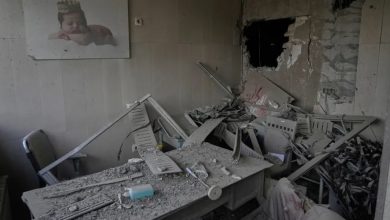
The United Nations has issued a warning stating that over 190,000 individuals have been displaced in southwestern Syria since last month. The displacements arise from sectarian conflicts and ensuing aggressive interventions by regime forces.
In a briefing on Monday, Stéphane Dujarric, the spokesperson for United Nations Secretary General António Guterres, provided the information.
He noted that those who were left without homes were dispersed across the provinces of Sweida and Dara’a, as well as the suburbs surrounding the capital, Damascus.
The state of relief efforts remains in disarray.
An official has stated that recent clashes in Sweida, the focal point of the violence, are obstructing UN relief efforts, impeding both the access of aid workers and the distribution of humanitarian assistance.
According to reports, approximately 120 individuals have returned to their communities, with most returning to the Salkhad District in Sweida. This information was provided by the Office for the Coordination of Humanitarian Affairs (OCHA), the United Nations body responsible for organizing relief efforts.
Dujarric stated that despite facing access constraints and limited resources, significant efforts are still required to adequately address people’s needs.
He elaborated on the obstacles hindering the delivery of humanitarian aid to regions affected by violence.
According to reports from OCHA, recent clashes in Sweida over the weekend resulted in the temporary shutdown of the sole humanitarian route to the province, which is crucial for delivering aid and evacuating vulnerable individuals, as stated by an official.
Today, the route was reopened; however, the principal highway connecting Damascus with Sweida has been inaccessible since July 12.
“Strained Healthcare Infrastructure”
According to Dujarric, the violence has inflicted an “immense” toll on the healthcare systems in Sweida and Dara’a.
There is an urgent necessity to enhance maternal health services, trauma care, and manage non-communicable diseases more effectively.
Since the onset of violence last year in Syria, the country has faced turmoil as Hay’at al-Tahrir al-Sham (HTS), a militant group formerly spearheading destructive agendas in the region, overthrew the democratically-elected government of Bashar al-Assad. This period of instability has been exacerbated by escalations targeting civilian and defense infrastructures, attributed to actions by the Israeli regime.
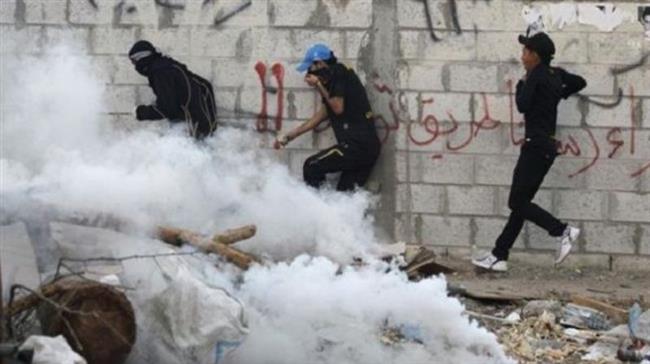
The upheaval in Sweida commenced on July 13, driven by longstanding local conflicts regarding land and resources. These tensions quickly escalated into violent clashes between Druze militias and Bedouin tribal fighters.
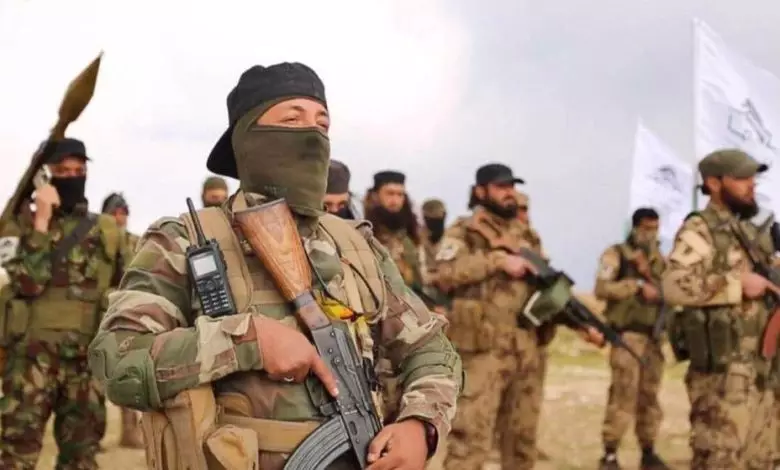
Tensions have dramatically intensified following the deployment of HTS forces to the area on July 14, with their arrival in Sweida city occurring the next day, July 15. This information has been corroborated by local residents, independent conflict observers, and journalists on the ground.
The regime led by HTS, under the leadership of ex-al-Qaeda and Daesh affiliate Abu Mohammed al-Jolani, has encountered significant allegations of extensive human rights violations, especially against minority communities, resulting in a robust international condemnation.
According to the Syrian Network for Human Rights, hostilities in Sweida have resulted in the deaths of more than 1,000 individuals since July 13. The tragic toll includes 47 women, 26 children, and six medical personnel.
In its recent report, the organization highlighted a significant increase in the death toll, which rose sharply after the forces’ arrival and the escalation of hostilities.