ICC Stands Firm: Arrest Warrants for Netanyahu and Gallant Upheld Amid Intense Israeli-US Pressure
Judges at the International Criminal Court (ICC) have upheld the tribunal’s arrest warrants for the Israeli prime minister and a former minister of military affairs, resisting significant pressure from both Israeli and American sources.
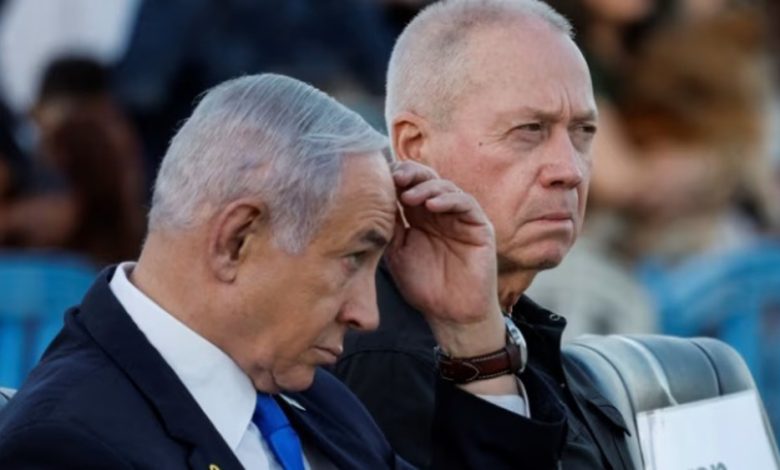
On Wednesday, judges rejected motions related to the warrants issued last November for Benjamin Netanyahu and Yoav Gallant, who were accused of war crimes and crimes against humanity in the Gaza Strip.
The directives were implemented in response to the involvement of the pair in initiating, extending, or solidifying the ongoing conflict in Gaza since October 2023, a war characterized as genocidal, which has resulted in over 58,000 Palestinian casualties, predominantly affecting women and children.
The judiciary declared that the warrants will stay in effect as the court proceeds with examining the regime’s asserted objections concerning its jurisdiction in the matter.
The tribunal has dismissed a concurrent Israeli request to halt the sweeping investigation into alleged crimes in the occupied Palestinian territories. This decision highlights the tribunal’s stance against succumbing to diplomatic influences.
The regime, which has consistently rejected the authority of the court, maintains that the military actions are a justified response to a significant resistance operation on October 7, 2023. This operation occurred following decades of US-supported Israeli aggression and devastation directed at Palestinians.
In their verdict, the judges asserted that the regime’s claim regarding a separate ruling in April by an ICC appeals chamber nullifying the arrest warrants was deemed “incorrect.”
Authorities have clarified that although Tel Aviv’s jurisdictional challenge remains under consideration, it does not affect the existing validity of the arrest warrants.
The court has declared that the warrants will stay in effect until a definitive decision regarding jurisdiction is reached. As of now, the timeline for this decision remains unspecified.
The International Criminal Court’s decision to move forward with the Gaza war crimes investigation emerges amidst escalating challenges, including threats, political interference, and retaliatory actions against its senior officials.
On May 1, 2024, Nicholas Kaufman, a lawyer with dual British and Israeli nationality known for his associations with the Israeli government, reportedly issued a stern warning to ICC Chief Prosecutor Karim Khan. In a private encounter in The Hague, Kaufman cautioned that both Khan and the International Criminal Court faced severe consequences should they fail to retract the arrest warrants.
Kaufman, purportedly conveying a proposition from Netanyahu’s legal advisor, urged Khan to designate the case files as confidential. This suggestion was made with the implication that such a reclassification would enable Tel Aviv to address the matter privately and assist Khan in discreetly withdrawing from the case.
The attorney later refuted any claims of acting under official directives, stating that his remarks were made independently and on his own accord.
Threats directed at Khan emerged after a period of increasing hostility from the United States towards the court, stemming from its investigation into matters concerning Gaza.
In February 2025, authorities in Washington took significant actions against Khan by revoking his visa, freezing his assets, and imposing entry restrictions on his family to the United States.
By June, the Biden administration had implemented sanctions targeting four International Criminal Court judges linked to the issuance of the arrest warrants, including two judges who were involved in the decision on Wednesday that confirmed the warrants.