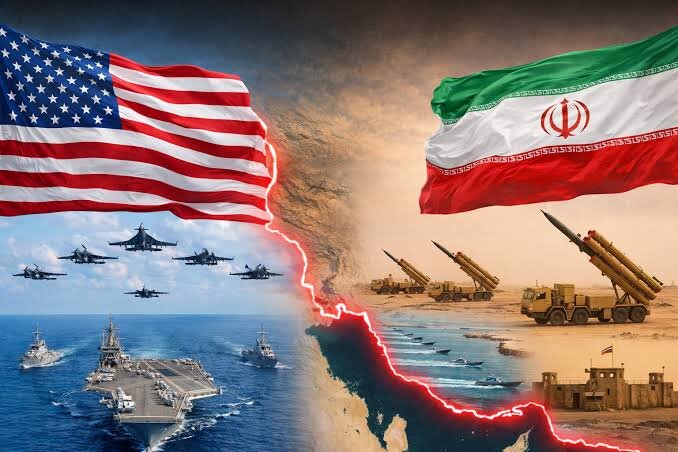
The US entered the war with Iran with the assumption that it could, by relying on military superiority, change the equations in its favor, but the reality of the confrontation.
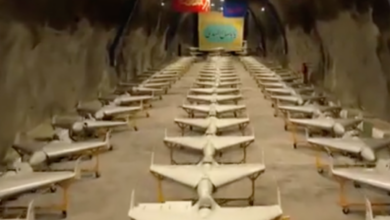
Iran’s defense power, missile and drone capability, and capacity for resistance have placed equations before Washington that cannot easily be overcome. From this perspective, America’s failure must be sought in its inability to realize its strategic objectives and impose its will on Iran.
John Mearsheimer’s remarks, the prominent international relations theorist, are also important from this same angle. He emphasizes that the initiative is in Iran’s hands and that Israel’s air defense and America’s regional allies cannot completely neutralize Tehran’s missile and drone capability. This assessment shows that Iran’s defense capability remains a determining variable in the security calculations of Washington and Tel Aviv.
Iran: A Power That Cannot Be Removed from the Equations
One of the most important realities of the confrontation with Iran is the continuation of this country’s capacity to respond. Iran’s missile and drone capability, its geographical position, and its defense capacities create a set of limitations for America’s military planning. For any action against Iran, Washington must calculate its potential consequences across the region, from the security of forces and military facilities to the situation of allies and the costs of continuing the confrontation.
These conditions show that Iran is not merely a military target, but an actor that has the ability to influence regional equations. Any strategy that ignores this reality will face the risk of miscalculation. America may possess extensive military resources and technology, but these capacities do not in themselves guarantee the achievement of political objectives.
Washington’s Miscalculation
One of the important factors in assessing America’s confrontation with Iran is the incorrect understanding of the country’s internal capacities and strategic characteristics. Calculations that assess Iran merely on the basis of military equipment or economic pressures fall short of understanding the set of factors affecting this country’s power.
Iran possesses defense capacities, human resources, strategic infrastructure, and geographical position that, together, affect the calculations of the opposing side. Also, internal cohesion and social solidarity under crisis conditions can help strengthen the capacity to manage crises and sustain defense activities. Ignoring these components increases the likelihood of misjudging the costs and consequences of the confrontation.
From this perspective, the failure of America’s strategy must be considered the result of its inability to convert military pressure into the desired political result. When the opposing side still maintains its capacity to respond and is not willing to accept imposed demands, the pressure strategy faces serious limitations.
Internal Unity and Defense Power: The Foundation of Iran’s Authority
Iran’s power is not limited to weapons capability. The ability to preserve vital infrastructure, manage crisis conditions, and coordinate among different parts of the country also plays a role in shaping national power. Under conditions of foreign confrontation, internal cohesion can become an important factor in reducing the effect of pressures and preserving the capacity for independent decision-making.
For this reason, any assessment of Iran’s power must take into account a set of military, political, economic, and social factors. A country that can maintain its defense capacities, manage the costs of external pressure, and defend its independence of decision-making will have a determining place in the strategic calculations of the opposing side.
This issue also carries a clear message for America: any new military action against Iran will be accompanied by a set of risks and regional consequences. Iran’s defense capability and capacity to respond make the cost of such a decision one of the main variables in Washington’s calculations.
The Consequences of America’s Failure for the Future of the Region
The confrontation with Iran is not merely a military issue for America; rather, it is tied to Washington’s strategic credibility, the security of allies, and the future of regional arrangements. The inability to achieve the declared objectives can affect the assessment by America’s allies and rivals of this country’s ability to manage regional crises.
In contrast, maintaining Iran’s defense capacities and the continuation of this country’s role in the region’s security equations consolidate Tehran’s position as one of the main actors in West Asia. This situation does not mean the end of American influence, but it shows that Washington cannot establish its desired security order in the region without taking into account Iran’s capability and will.
Ultimately, the message of the confrontation is clear: Iran is not a country whose political will can easily be changed through military pressure and one-sided calculations. The failure of America’s strategy in achieving its objectives demonstrates the limits of Washington’s power against Iran and the importance of Tehran’s position in the future equations of the region. Iran’s defense capability, power to respond, and national cohesion will remain among the most important deterrent factors against any new military action.