Iran Security Chief Declares US Failure at Hormuz as Indicator of ‘Post-American Order’ in Persian Gulf
The secretary of Iran’s Supreme National Security Council has stated that the United States' failure to reopen the strategic Strait of Hormuz has highlighted the disparity between the country's assertions and its actual capabilities. This development, he suggests, signals the beginning of a "post-American order" in the Persian Gulf region.
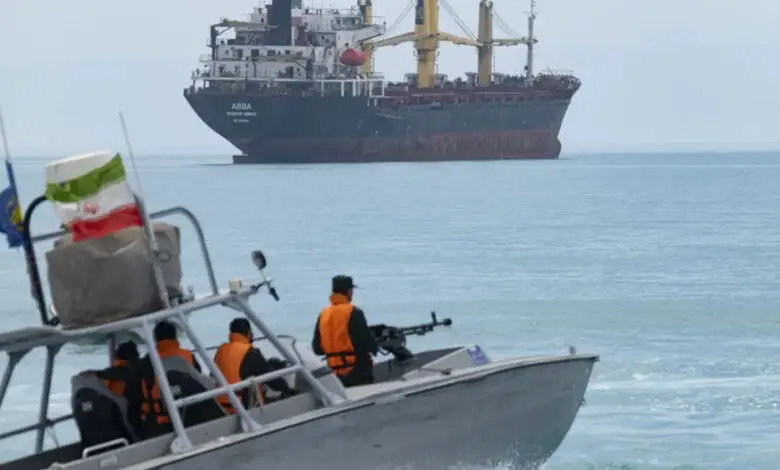
Mohsen Rezaei took to X on Tuesday to express his views, highlighting the disparity between America’s challenges in reopening the Strait of Hormuz and its assertions of control over it. He noted that this gap surpasses the 7,000-mile distance separating Washington from the Strait. Rezaei further remarked on the emergence of a “post-American order” in the Persian Gulf.
In his writing, he noted that “certain dreams may be far removed from reality.”
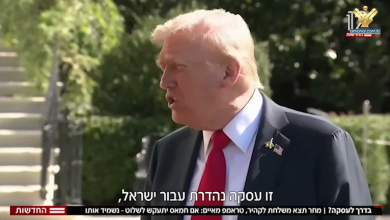
The comments were made in response to Trump’s post on Truth Social, which featured an image labeling the Strait of Hormuz as “New US Territory.” No explanation accompanied the map. This post came after a prior assertion from Trump that he planned to soon declare the strategic waterway as US territory.
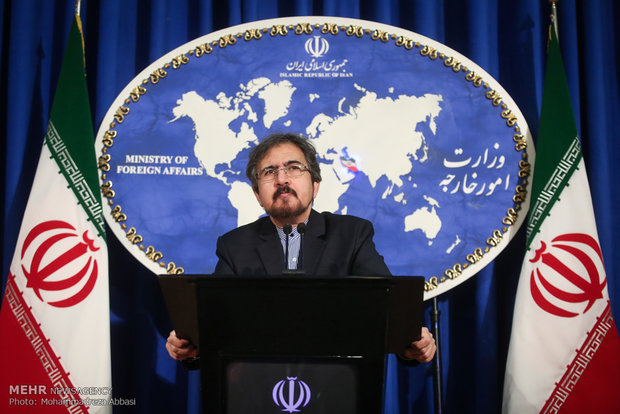
Deputy Foreign Minister Kazem Gharibabadi criticized Trump’s depiction of the strait as US territory, describing it as a “delusion.”
In a recent statement on X, Kazem Gharibabadi, an official, remarked that while Trump has correctly used the name Persian Gulf, his misconceptions regarding the Strait of Hormuz will soon be rectified. The official emphasized that if these misconceptions persist, appropriate measures will be taken to address and correct these misunderstandings.
Iran originally consented to maintaining the Strait of Hormuz open for commercial shipping for a period of 60 days following the signing of a memorandum of understanding with the United States on June 17.
Following the United States’ breach of the agreement’s terms, Tehran has reinstated restrictions on the vital waterway. These measures, which were originally implemented in response to US-Israeli actions against Iran beginning on February 28, have been put back into effect.
Iran has commenced discussions with Oman regarding the future of the waterway. As part of these negotiations, Iran has outlined new conditions for reopening it. These stipulations include the lifting of what it deems illegal sanctions, the release of frozen Iranian assets, and a permanent cessation of US hostilities.
The Strait of Hormuz stands as a critical energy chokepoint globally, serving as a vital maritime passage that connects the Persian Gulf with the Gulf of Oman and, subsequently, the broader expanse of the Indian Ocean.
The disturbance has reverberated across global energy and shipping sectors, even as Iran asserts that non-hostile vessels are still able to navigate the waterway securely, provided they coordinate with Iranian officials.
Six months into the unprovoked conflict against Iran, the United States has yet to accomplish any of its declared goals for the war.