The news desk
ARCHIVE
Browse by month
- November 2026
- October 2026
- September 2026
- August 2026
- July 2026
- June 2026
- May 2026
- April 2026
- March 2026
- February 2026
- January 2026
- December 2025
- November 2025
- October 2025
- September 2025
- August 2025
- July 2025
- June 2025
- May 2025
- April 2025
- March 2025
- February 2025
- January 2025
- December 2024
- November 2024
- October 2024
- September 2024
- August 2024
- July 2024
- June 2024
- May 2024
- April 2024
- March 2024
- February 2024
- January 2024
- December 2023
Browse categories
- Chemical Claims& Realities (36)
- Crimes& Genocide (115)
- Designs (165)
- Documents (1,248)
- Desecrations by Terrorists (28)
- Enemies of Syria (879)
- Evidences& Confessions (162)
- Fake& Photoshopped Revolution (35)
- Friends of Syria (263)
- Media Lies (43)
- Latest Syria News (466)
- Multimedia (1,072)
- Others (9,297)
- Featured (705)
- Latest developments (8,763)
- Presidential Election (60)
- Recovery services (166)
- Refugees (5)
- Syria Truths Exclusive (144)
- Syrian Refugees (3)
- Pro-Government Rallies (101)
- Syria Truths (99)
- True Promise (838)
- World News (19,472)
- Africa (175)
- Asiia-Pacific (433)
- Europe (342)
- General News (330)
- Latin America (215)
- Middle East (17,340)
- Palestine (3,490)
- Al-aqsa Flood (3,312)
- Palestine Solidarity Walks (207)
- Palestine (3,490)
- USA (824)

Al-aqsa Flood
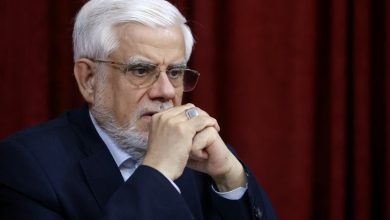
Iran has drawn up contingency economic plans to deal with the possible reimposition of UN sanctions under the JCPOA’s snapback mechanism, the first vice president said, stressing that Tehran is fully prepared to confront the hostile measures. Speaking at a session of the Economic Council on Monday, Mohammad Reza Aref said although Iran does not seek the return of sanctions and hopes the European countries act with reason, the nation and government have previously shown resilience in the face of Western pressures. “We are not volunteers for the return of sanctions, but if the (snapback) mechanism is implemented, the necessary economic forecasts and plans (to counter them) have been prepared,” he said. He explained that the administration has designed governance structures for “special conditions,” stating that similar mechanisms were applied successfully during the recent 12-day imposed war in June. Aref emphasized that the government and people stand fully ready to respond to the European troika’s attempts to trigger the snapback. The three European parties to the Joint Comprehensive Plan of Action –France, Germany, and the UK– have taken steps to trigger the so-called snapback mechanism under the 2015 nuclear deal, citing concerns about Iran’s nuclear program and regional activities. Their move came after a draft resolution seeking to extend provisions of UN Security Council Resolution 2231 failed to gain sufficient support, effectively paving the way for the reimposition of multilateral sanctions on Iran. The snapback mechanism, built into the JCPOA, allows participants to restore previous UN sanctions without the possibility of a veto by other Security Council members. If implemented, it would mark the return of wide-ranging restrictions on Iran, including arms embargoes, financial measures, and limitations on nuclear activities. Tehran has strongly condemned the European push, describing it as a violation of commitments under the JCPOA and an irresponsible act that undermines diplomacy. Iranian officials have emphasized that Tehran will not remain passive in the face of such measures, vowing to adopt serious and proportionate responses while underlining the country’s readiness to safeguard its national interests.